Cleaning Standards for Medical Clinics and Allied Health Spaces
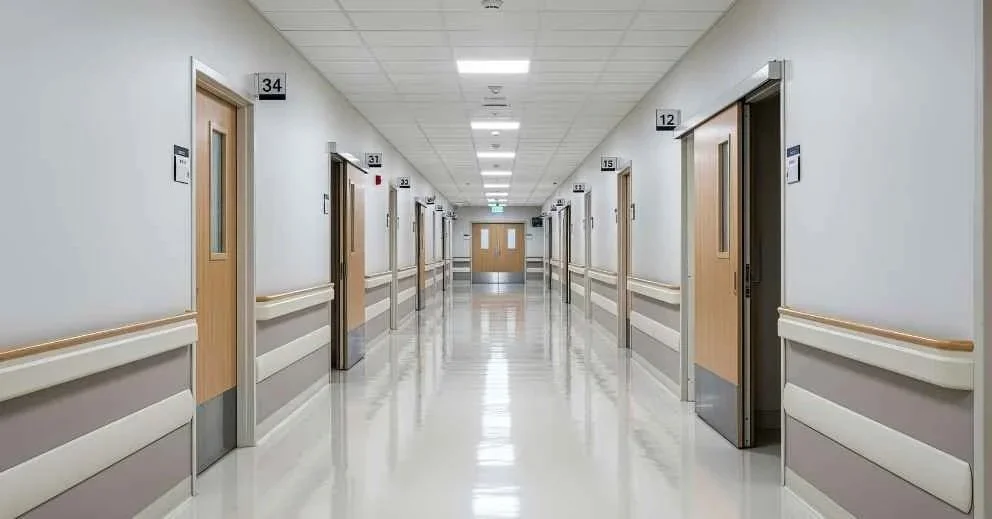
Medical clinics and allied health practices across Australia face unique cleaning challenges that go far beyond standard commercial cleaning. From GP surgeries to physiotherapy clinics, dental practices to specialist medical centres, maintaining the highest hygiene standards isn't just about appearance. It's about patient safety, regulatory compliance, and protecting your practice's reputation.
Healthcare facilities require specialised cleaning protocols that address infection control, cross-contamination prevention, and strict sanitisation requirements. Understanding these standards can seem overwhelming, but getting them right is essential for any medical or allied health practice.
TLDR: Medical and allied health facilities must follow stringent cleaning protocols that exceed standard commercial cleaning. This includes infection control measures, specialised disinfection procedures, and compliance with Australian healthcare regulations to ensure patient safety and practice viability.
Explore Healthcare Cleaning Standards with ChatGPT
Understanding Healthcare Cleaning Requirements in Australia
Australian healthcare facilities operate under strict guidelines established by the National Health and Medical Research Council (NHMRC) and state health departments. These regulations aren't suggestions; they're mandatory requirements that protect both patients and healthcare workers.
Regulatory Framework for Medical Facility Cleaning
The Australian Guidelines for the Prevention and Control of Infection in Healthcare form the foundation of cleaning standards for medical facilities. These guidelines cover everything from hand hygiene protocols to environmental cleaning procedures.
State-specific regulations add another layer of requirements. In New South Wales, the Clinical Excellence Commission provides detailed cleaning protocols, while Victoria's Department of Health has its own set of mandatory standards. Queensland, Western Australia, and other states each maintain similar regulatory frameworks.
Difference Between Medical and Standard Commercial Cleaning
Standard office cleaning focuses on appearance and basic hygiene. Medical facility cleaning goes much deeper, addressing pathogen elimination, contamination prevention, and sterile environment maintenance.
The products used differ significantly too. Healthcare cleaning requires hospital-grade disinfectants that are proven effective against specific pathogens. These products must be registered with the Therapeutic Goods Administration (TGA) and used according to strict protocols.
Critical Cleaning Zones in Medical and Allied Health Facilities
Not all areas within a healthcare facility carry the same infection risk. Understanding these zones helps prioritise cleaning efforts and allocate resources effectively.
High-Risk Areas Requiring Intensive Cleaning
Treatment rooms, examination areas, and surgical suites represent the highest risk zones. These spaces require the most rigorous cleaning protocols, including terminal cleaning after each patient and deep sanitisation procedures.
Pathology collection areas, wound care rooms, and any space where blood or bodily fluids might be present also fall into this category. The cleaning frequency and intensity in these areas directly impacts patient safety outcomes.
Medium-Risk Areas and Cleaning Protocols
Waiting rooms, consultation areas, and administrative spaces carry moderate infection risks. While less intensive than high-risk zones, these areas still require regular disinfection and careful attention to high-touch surfaces.
Patient bathrooms and common areas need frequent cleaning throughout the day, not just during after-hours cleaning sessions. The high volume of different people using these spaces creates ongoing contamination risks.
Support Areas and General Cleaning Requirements
Staff areas, storage rooms, and back-of-house spaces still require professional cleaning standards, though protocols can be less intensive. However, these areas shouldn't be neglected as they can become sources of contamination if not properly maintained.
Infection Control and Cross-Contamination Prevention
Preventing the spread of infections within healthcare facilities requires systematic approaches that go beyond surface cleaning. Every cleaning action must consider how pathogens move through environments and how to break transmission chains.
Understanding Pathogen Transmission in Healthcare Settings
Healthcare-associated infections (HAIs) affect thousands of Australian patients annually. Many of these infections result from inadequate environmental cleaning rather than direct patient-to-patient transmission.
Common pathogens like MRSA, C. difficile, and norovirus can survive on surfaces for extended periods. Without proper cleaning protocols, these organisms spread through contact with contaminated surfaces, equipment, and cleaning tools themselves.
Colour-Coded Cleaning Systems
Professional healthcare cleaning relies on colour-coded systems that prevent cross-contamination between different areas. Red cloths and mops for high-risk areas, blue for general areas, green for food preparation areas, and yellow for isolation rooms.
This system ensures that cleaning equipment used in contaminated areas doesn't spread pathogens to clean areas. Staff training on these systems is crucial for effectiveness.
Equipment Sanitisation Protocols
Medical equipment requires specialised cleaning approaches that consider both infection control and equipment integrity. Stethoscopes, blood pressure cuffs, and examination tables need regular disinfection between patients.
Some equipment requires specific cleaning agents that won't damage sensitive components while still providing effective pathogen elimination. Understanding manufacturer guidelines and compatibility with disinfectants is essential.
Specialised Cleaning Products and Techniques for Healthcare
Healthcare cleaning demands products and methods that standard commercial cleaning can't provide. The right products, used correctly, make the difference between effective pathogen elimination and mere surface cleaning.
Hospital-Grade Disinfectants and Their Applications
TGA-registered disinfectants provide proven efficacy against specific pathogens relevant to healthcare settings. These products undergo rigorous testing to demonstrate effectiveness against bacteria, viruses, and fungi commonly found in medical facilities.
Different disinfectants work better against different pathogens. Alcohol-based products excel against many bacteria and enveloped viruses but may not be effective against spores. Understanding which products to use where requires professional expertise.
Contact Time and Proper Application Methods
Disinfectants only work when applied correctly with adequate contact time. Many healthcare cleaning failures result from rushing the disinfection process or using insufficient product quantities.
Surfaces must be pre-cleaned to remove visible soiling before disinfectant application. The disinfectant then needs to remain wet on the surface for the specified contact time to achieve pathogen kill rates.
Microfibre Technology in Healthcare Cleaning
High-quality microfibre cloths and mops physically remove pathogens from surfaces more effectively than traditional cleaning materials. The microscopic fibres trap bacteria and viruses, preventing them from spreading to other surfaces.
Proper laundering of microfibre cleaning materials is crucial. Healthcare facilities need systems that ensure thorough decontamination of cleaning cloths and mops between uses.
Daily, Weekly, and Deep Cleaning Schedules
Effective healthcare facility cleaning requires structured scheduling that addresses different cleaning needs at appropriate frequencies. Some tasks need multiple daily completions while others can be scheduled weekly or monthly.
Multiple Daily Cleaning Requirements
High-touch surfaces in patient areas require cleaning multiple times throughout each day. Door handles, light switches, examination tables, and bathroom fixtures accumulate contamination rapidly in busy healthcare settings.
Patient bathrooms need attention after each use when possible, or at minimum every few hours during operating periods. Waiting room surfaces should be cleaned between patient groups or at regular intervals throughout the day.
End-of-Day Terminal Cleaning
Terminal cleaning involves comprehensive disinfection of all surfaces in patient care areas at the end of each day. This process goes beyond spot cleaning to address all potential sources of contamination.
Treatment rooms require complete terminal cleaning after each patient in many cases, depending on the procedures performed and infection risk levels. This intensive cleaning prevents pathogen accumulation and cross-contamination.
Weekly Deep Cleaning and Maintenance Tasks
Weekly cleaning schedules address areas and tasks that don't require daily attention but still impact overall facility hygiene. This includes detailed cleaning of storage areas, deep cleaning of waiting room furniture, and maintenance of cleaning equipment.
Air vents, light fixtures, and other elevated surfaces accumulate dust and potential pathogens over time. Regular attention to these areas prevents them from becoming contamination sources.
Staff Training and Compliance Monitoring
Even the best cleaning protocols fail without proper staff training and ongoing compliance monitoring. Healthcare cleaning requires specific knowledge and skills that standard cleaning staff may not possess.
Essential Training Components for Healthcare Cleaning
Cleaning staff in healthcare facilities need training on infection control principles, proper use of personal protective equipment, and specific cleaning protocols for different risk areas. This training goes far beyond general cleaning instruction.
Understanding pathogen transmission, recognising contamination risks, and following established protocols requires ongoing education. Initial training isn't sufficient; regular updates and refresher sessions ensure continued compliance.
Documentation and Compliance Tracking
Healthcare facilities must maintain detailed records of cleaning activities, product usage, and staff training. These records demonstrate compliance during inspections and help identify areas for improvement.
Cleaning checklists, completion logs, and quality audits provide accountability and ensure consistent application of cleaning protocols. Documentation also helps track cleaning supply usage and identify cost-effective practices.
Quality Assurance and Performance Monitoring
Regular inspections and performance monitoring ensure cleaning standards remain consistently high. This includes both visual inspections and potentially microbiological testing in high-risk areas.
Feedback systems allow healthcare staff to report cleaning issues and ensure rapid resolution of problems. Open communication between clinical and cleaning staff improves overall facility hygiene outcomes.
Cost Considerations and Budgeting for Healthcare Cleaning
Healthcare facility cleaning costs more than standard commercial cleaning due to specialised products, intensive protocols, and higher staff training requirements. However, the costs of inadequate cleaning far exceed the investment in proper protocols.
Understanding Healthcare Cleaning Investment
Hospital-grade cleaning products cost more than standard commercial cleaners, but their effectiveness against healthcare-relevant pathogens justifies the expense. The frequency of cleaning in healthcare settings also increases labour costs compared to typical commercial cleaning.
Specialised training, compliance documentation, and quality assurance programs add to operational costs but are essential for maintaining standards and regulatory compliance.
Cost of Non-Compliance and Inadequate Cleaning
Healthcare-associated infections can result in patient harm, legal liability, and regulatory penalties that far exceed cleaning costs. Practice closures due to infection control failures represent catastrophic financial losses.
Reputation damage from cleaning-related incidents can permanently impact patient trust and practice viability. The investment in proper cleaning protocols provides essential protection against these risks.
Budgeting for Comprehensive Healthcare Cleaning
Healthcare facilities should budget for cleaning as a critical operational expense rather than a discretionary cost. This includes regular cleaning services, specialised products, staff training, and compliance monitoring.
Working with experienced healthcare cleaning providers can help facilities understand true costs and develop realistic budgets that ensure adequate cleaning without unnecessary expenses.
Choosing Professional Healthcare Cleaning Services
Selecting the right cleaning service for medical and allied health facilities requires careful evaluation of experience, training, and compliance capabilities. Not all cleaning companies understand healthcare-specific requirements.
Essential Qualifications and Certifications
Healthcare cleaning providers should demonstrate specific experience in medical facility cleaning, not just general commercial cleaning experience. Look for companies with healthcare-specific training programs and documented experience in similar facilities.
Certifications in infection control, healthcare cleaning protocols, and relevant Australian standards indicate professional competency. Insurance coverage appropriate for healthcare settings is also essential.
Service Scope and Customisation Options
Healthcare facilities have unique needs that require customised cleaning programs. Providers should offer flexible scheduling, specialised services for different risk areas, and the ability to adapt protocols based on facility-specific requirements.
Emergency cleaning capabilities for infection control situations, after-hours availability, and rapid response to urgent cleaning needs are valuable service features for healthcare facilities.
Compliance Support and Documentation
Professional healthcare cleaning services should provide compliance documentation, training records, and audit support that help facilities meet regulatory requirements. This administrative support reduces facility management burden while ensuring proper documentation.
Protect Your Practice with Professional Healthcare Cleaning
Maintaining proper cleaning standards in medical and allied health facilities isn't just about compliance; it's about protecting your patients, staff, and practice reputation. The complexity of healthcare cleaning requirements makes professional expertise essential for most facilities.
Clean Feeling specialises in healthcare facility cleaning across Australia, providing the expertise, products, and protocols that medical and allied health practices need. Our team understands the unique requirements of healthcare environments and delivers cleaning services that meet the highest standards.
From daily maintenance cleaning to deep sanitisation protocols, we help healthcare facilities maintain the clean, safe environments that patients expect and regulations require.
Don't risk your practice's reputation or patient safety with inadequate cleaning protocols. Contact Clean Feeling today to discuss your healthcare facility's cleaning needs and discover how professional healthcare cleaning services can protect your practice while ensuring regulatory compliance.
Key Takeaways
Healthcare facility cleaning requires specialised protocols that exceed standard commercial cleaning standards
Australian regulations mandate specific infection control and cleaning requirements for medical practices
Different risk zones within healthcare facilities require different cleaning intensities and frequencies
Hospital-grade disinfectants and proper application techniques are essential for effective pathogen elimination
Staff training, compliance monitoring, and documentation are crucial for maintaining cleaning standards
Professional healthcare cleaning services provide expertise and compliance support that most facilities cannot develop internally
Investment in proper healthcare cleaning prevents costly infections, regulatory issues, and reputation damage
FAQ
How often should medical examination rooms be cleaned?
Medical examination rooms require terminal cleaning after each patient, plus comprehensive end-of-day cleaning. High-touch surfaces should be disinfected between every patient encounter to prevent cross-contamination.
What's the difference between cleaning and disinfection in healthcare settings?
Cleaning removes visible dirt and debris, while disinfection kills pathogens on surfaces. Healthcare facilities require both processes, with cleaning always preceding disinfection for maximum effectiveness against healthcare-associated infections.
Are standard commercial cleaning products suitable for medical facilities?
No, medical facilities require TGA-registered hospital-grade disinfectants that are proven effective against healthcare-relevant pathogens. Standard commercial cleaners don't provide the pathogen elimination needed for patient safety.