Salt Air Damage: What It Means for Your Workplace Surfaces
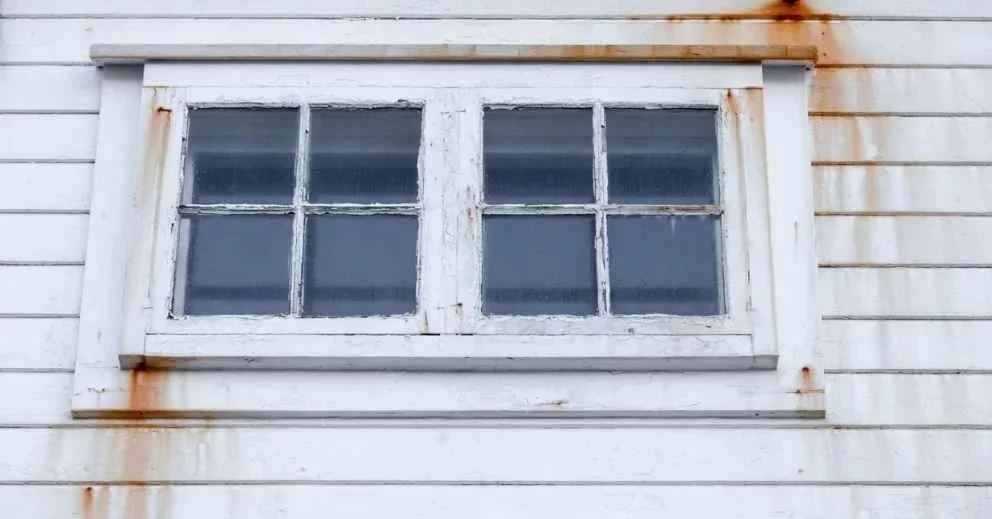
If your business operates near Australia's stunning coastline, you're already familiar with the beauty of ocean views and fresh sea breezes. However, what many workplace owners don't realise is that salt air can be silently wreaking havoc on their office surfaces, equipment, and infrastructure. From corroded metal fixtures to deteriorating paintwork, salt air damage is a persistent challenge that requires understanding and proactive management.
TLDR: Salt air accelerates corrosion and surface deterioration in coastal workplaces through microscopic salt particles that settle on surfaces and attract moisture. Regular cleaning, protective coatings, and proper ventilation are essential for preventing expensive damage to office furniture, electronics, and building materials.
The salty ocean breeze that makes coastal locations so appealing carries microscopic salt particles that can travel surprisingly far inland. These particles don't just disappear when they reach your building. They settle on every surface, creating ongoing maintenance challenges that can impact everything from your office computers to your building's structural elements.
Summarize this article in ChatGPT
Understanding Salt Air and Its Corrosive Effects
How Salt Air Forms and Travels
Salt air develops when ocean waves crash against shores, releasing tiny droplets of seawater into the atmosphere. These droplets evaporate, leaving behind microscopic salt crystals that become airborne. Wind currents can carry these particles several kilometres inland, meaning even businesses that aren't directly waterfront can experience salt air effects.
The concentration of salt in the air varies depending on weather conditions, proximity to the ocean, and local geography. Stormy weather and high winds increase salt air density, while calm conditions reduce it. However, even on seemingly still days, salt particles continue to circulate and settle on surfaces.
The Science Behind Surface Deterioration
Salt is hygroscopic, meaning it absorbs moisture from the surrounding air. When salt particles settle on workplace surfaces, they create microscopic moisture pockets that accelerate corrosion and degradation processes. This effect is particularly pronounced on metal surfaces, where salt-induced moisture promotes oxidation and rust formation.
Different materials respond to salt air exposure in various ways. Metals like steel and iron are highly susceptible to corrosion, while aluminium develops a protective oxide layer that offers some resistance. Painted surfaces can bubble and peel as salt penetrates through microscopic gaps, and electronic equipment faces particular risks from salt-induced conductivity issues.
Workplace Surfaces Most Vulnerable to Salt Air Damage
Metal Fixtures and Hardware
Office hardware bears the brunt of salt air damage in coastal workplaces. Door handles, window frames, light fixtures, and filing cabinets are particularly vulnerable. Steel components develop rust spots that can spread rapidly if left untreated, while brass and copper fittings may develop green patina or dark tarnishing.
HVAC systems face unique challenges, as salt particles can accumulate in air conditioning units and ventilation ducts. This buildup not only causes corrosion but can also reduce system efficiency and air quality. Regular inspection and cleaning of these systems becomes crucial in salt air environments.
Electronic Equipment and Technology
Modern workplaces rely heavily on electronic equipment that's surprisingly sensitive to salt air exposure. Computer cases, printers, and telecommunication equipment can suffer from accelerated wear as salt particles interfere with cooling systems and create conductive pathways that lead to short circuits.
The internal components of electronics are particularly vulnerable when salt air penetrates through ventilation fans and ports. Circuit boards can develop corrosion that leads to equipment failure, while salt buildup on connectors can cause intermittent connectivity issues that are difficult to diagnose.
Painted and Finished Surfaces
Paint and protective coatings provide the first line of defence against salt air, but they're also among the most visible casualties when that defence fails. Salt air can cause paint to fade, bubble, and peel, particularly on surfaces that receive direct exposure to ocean breezes.
Wooden surfaces with painted or stained finishes face dual challenges. The salt air attacks the protective coating while also affecting the underlying timber through moisture absorption. This can lead to warping, cracking, and eventual structural damage if not addressed promptly.
Identifying Early Signs of Salt Air Damage
Visual Indicators to Watch For
Early detection of salt air damage can save significant repair costs and prevent workplace disruptions. Look for white, chalky residue on surfaces, particularly around windows and ventilation openings. This residue is often the first visible sign that salt particles are accumulating in your workspace.
Metal surfaces may show small brown or reddish spots that indicate the beginning of rust formation. On painted surfaces, watch for areas where the paint appears to be lifting or bubbling, especially along edges and corners where salt air tends to accumulate.
Performance-Based Warning Signs
Beyond visual cues, salt air damage often manifests through decreased performance of workplace equipment. Air conditioning systems may struggle to maintain temperature or develop unusual noises as salt buildup affects moving parts. Electronic equipment might experience more frequent malfunctions or slower performance as salt interferes with internal components.
Doors and windows may become difficult to open or close smoothly as salt corrosion affects hinges and sliding mechanisms. These operational issues often indicate that salt damage has progressed beyond surface-level concerns and requires immediate attention.
Prevention Strategies for Coastal Workplaces
Regular Cleaning and Maintenance Protocols
Consistent cleaning is your most effective weapon against salt air damage. Establish weekly cleaning schedules that include wiping down all metal surfaces with fresh water to remove salt buildup before it can cause permanent damage. Pay special attention to areas near windows, doors, and ventilation systems where salt concentration is typically highest.
Use mild, non-abrasive cleaners specifically designed for salt removal. Avoid harsh chemicals that might damage protective coatings or finishes. For electronic equipment, use compressed air to blow salt particles away from vents and ports, but ensure equipment is powered down during cleaning.
Environmental Controls and Air Filtration
Proper ventilation management can significantly reduce salt air infiltration into your workplace. Install high-quality air filtration systems that can capture salt particles before they settle on surfaces. Consider upgrading to HEPA filters in areas with sensitive equipment or valuable furnishings.
Maintain optimal humidity levels within your workspace. While you can't eliminate humidity, keeping it within the 40-50% range reduces the hygroscopic effect of salt particles and slows corrosion processes. Dehumidifiers can be particularly effective in storage areas and server rooms.
Protective Coatings and Treatments
Apply protective coatings to vulnerable surfaces before salt damage becomes apparent. Marine-grade paints and sealers offer enhanced protection against salt air exposure. For metal fixtures, consider galvanised or powder-coated options that provide superior corrosion resistance.
Wax treatments can provide additional protection for painted surfaces and furniture. These treatments create a barrier that prevents salt particles from directly contacting underlying materials. Regular reapplication ensures continued protection as the coating gradually wears away.
Professional Cleaning Solutions for Salt Air Damage
Specialised Equipment and Techniques
Professional cleaning services bring specialised equipment designed specifically for salt air environments. High-powered extraction systems can remove salt particles from carpets and upholstery that regular vacuuming might miss. Ultrasonic cleaning technology can safely remove salt buildup from delicate electronic components without causing damage.
Professional-grade cleaning solutions are formulated to neutralise salt's corrosive effects while being gentle on workplace surfaces. These products often include corrosion inhibitors that provide ongoing protection after cleaning is complete.
Comprehensive Surface Assessment
Experienced cleaning professionals can identify salt damage in its early stages, often before it becomes visible to untrained eyes. They understand how different materials respond to salt air exposure and can recommend targeted treatments for each surface type in your workplace.
Professional assessment includes testing air quality, measuring salt concentration levels, and evaluating the effectiveness of current protective measures. This comprehensive approach ensures that cleaning efforts address the root causes of salt air damage rather than just treating symptoms.
Long-term Maintenance Planning
Developing Seasonal Cleaning Schedules
Salt air exposure varies throughout the year, with storm seasons typically bringing higher concentrations of airborne salt particles. Develop maintenance schedules that account for these seasonal variations, increasing cleaning frequency during high-risk periods.
Plan major maintenance activities during calmer weather periods when salt air exposure is reduced. This timing allows protective treatments and repairs to cure properly without immediate exposure to harsh conditions.
Budget Planning for Ongoing Protection
Salt air damage prevention requires consistent investment in cleaning services, protective treatments, and equipment maintenance. Factor these costs into your annual facilities budget to avoid unexpected expenses when damage becomes severe enough to require emergency repairs.
Consider the long-term cost benefits of proactive maintenance versus reactive repairs. Regular professional cleaning and protective treatments typically cost significantly less than replacing damaged equipment or refinishing extensively corroded surfaces.
Protect Your Workplace from Salt Air Damage
Don't let salt air silently damage your valuable workplace surfaces and equipment. At Clean Feeling, we understand the unique challenges that coastal Australian businesses face when dealing with salt air exposure. Our experienced team uses specialised techniques and professional-grade equipment to remove harmful salt buildup and protect your workplace investment.
Our maintenance programs are designed to prevent damage before it occurs, saving you money on costly repairs and equipment replacement.
Contact Clean Feeling today to schedule a comprehensive salt air damage assessment for your workplace. Let us help you develop a customised maintenance plan that keeps your surfaces protected and your business running smoothly, regardless of how close you are to Australia's beautiful but challenging coastline.
Key Takeaways
Salt air damage occurs when microscopic salt particles settle on surfaces and attract moisture, accelerating corrosion and deterioration
Metal fixtures, electronic equipment, and painted surfaces are particularly vulnerable to salt air exposure in coastal workplaces
Early signs include white chalky residue, rust spots on metals, and performance issues with equipment and mechanical systems
Regular cleaning with fresh water, proper air filtration, and protective coatings form the foundation of effective salt air damage prevention
Professional cleaning services offer specialised equipment and expertise for comprehensive salt air damage management
Seasonal maintenance planning and budget allocation ensure consistent protection against ongoing salt air exposure